AI agents have mostly been introduced as software workers. Give one a goal and it can search, reason through steps, call tools, update systems, and perform actions across digital environments. Robotics asks a slightly more chaotic question: what if the agent has a body?
The shift sounds simple until you compare the tasks. A software agent might decide it needs to open a document. A physical agent might decide it needs to open a door. The first problem involves permissions and an API. The second involves perception, geometry, force, movement, uncertainty, and a door handle that was apparently designed by someone who hates robots.
Physical action raises the stakes because plans now have to survive contact with reality. Objects move. People interrupt. Sensors are imperfect. Hardware has limits. A robot needs more than intelligence; it needs a body and control system that can reliably execute what the software decides.
Planning is only useful if the machine can recover
A capable agent may be able to break a goal into steps, but every step creates new opportunities for the world to disagree. The box is not where expected. The aisle is blocked. The gripper slips. A person walks into the path. The robot has to notice the mismatch and decide what to do next.
That makes recovery behavior one of the most important parts of embodied autonomy. A machine that succeeds ninety percent of the time but freezes during the remaining ten percent can create a lot of operational work for humans.
Natural language could eventually make these systems easier to use. Instead of programming every behavior through specialized software, an operator might say, “inspect aisle seven and tell me if anything is blocking the emergency exits.” The robot would then need to translate intent into navigation, perception, data collection, and reporting.
The interface can become simpler while the system underneath becomes more sophisticated. That is a pattern software AI has already shown.
Physical agents will come in many bodies
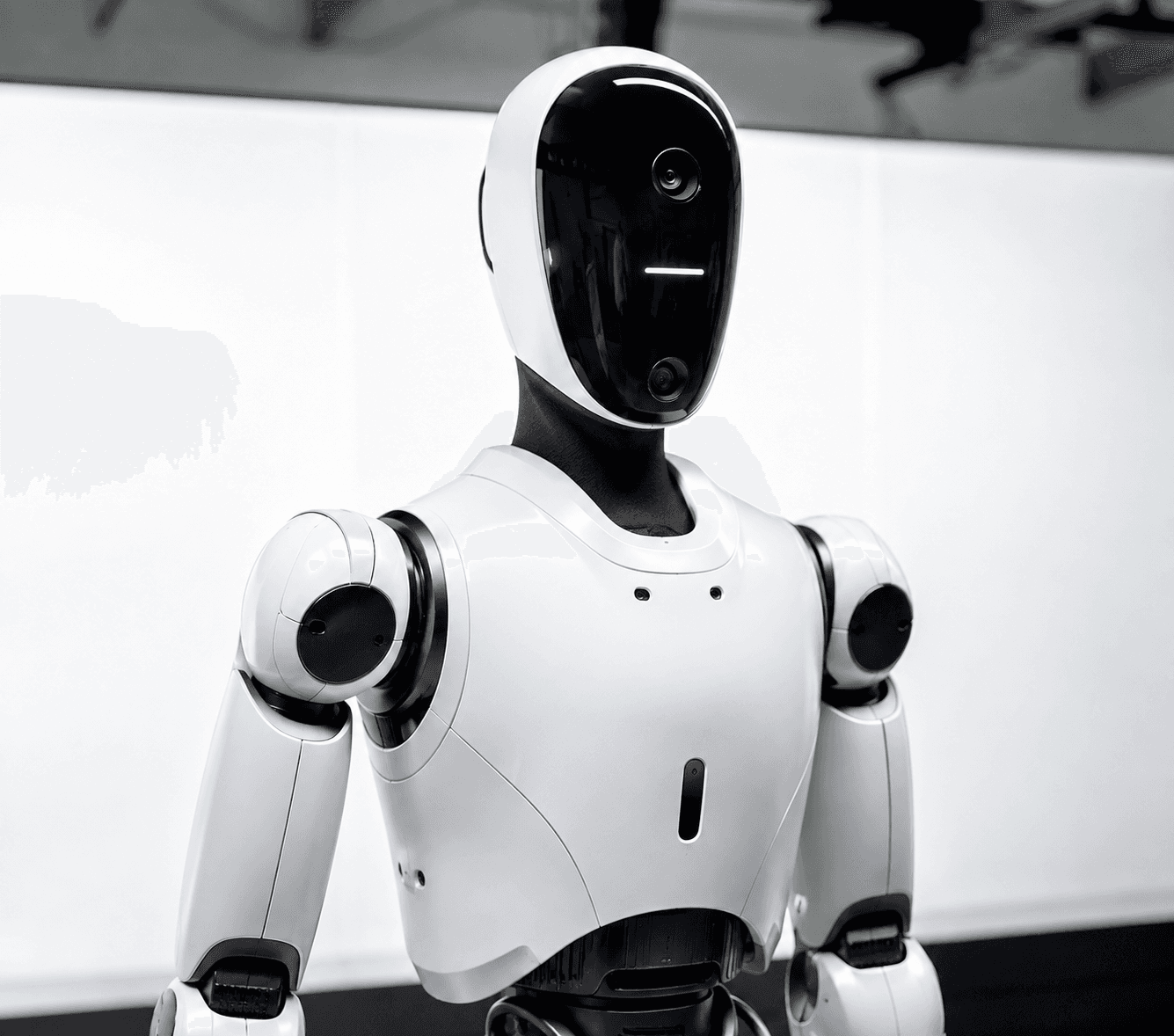
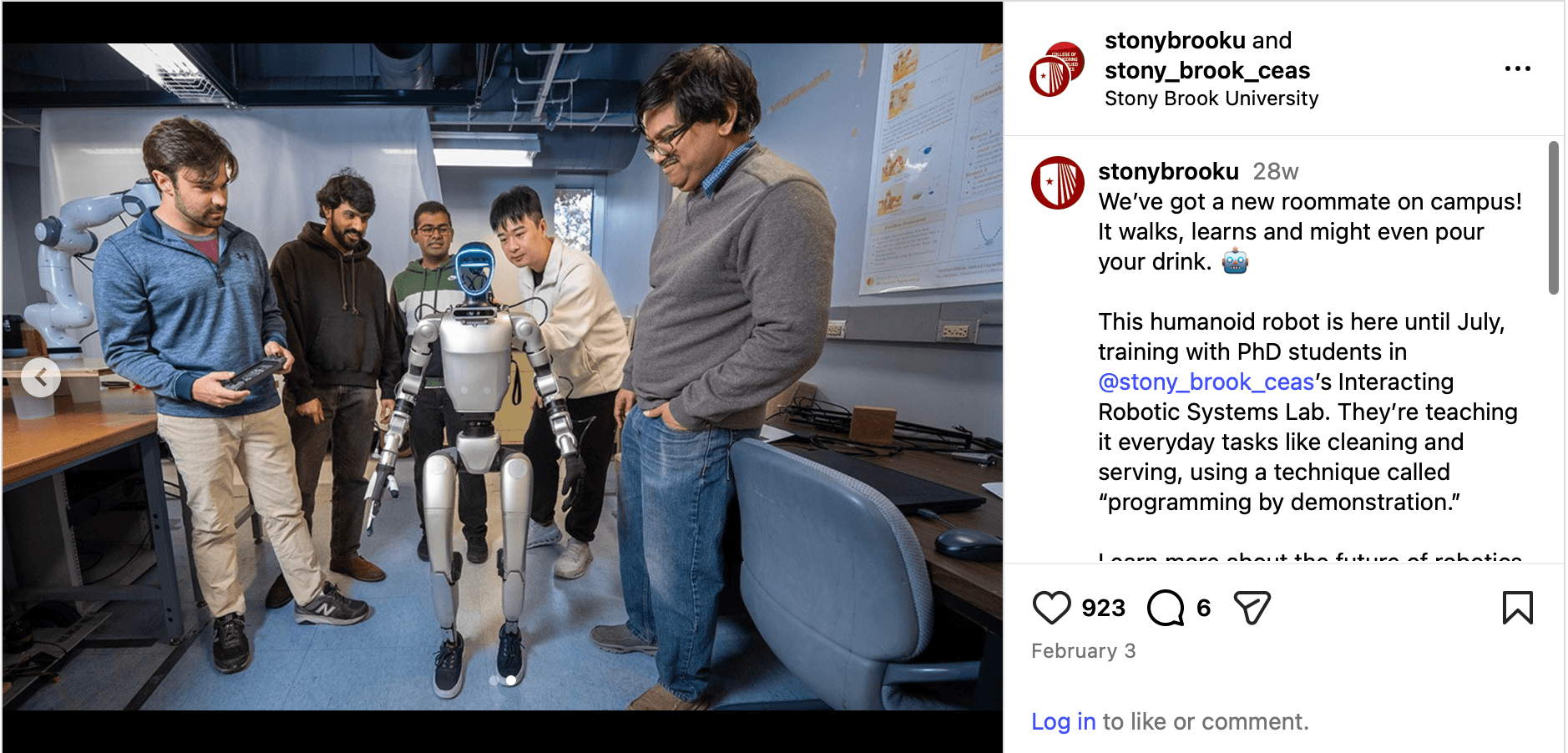
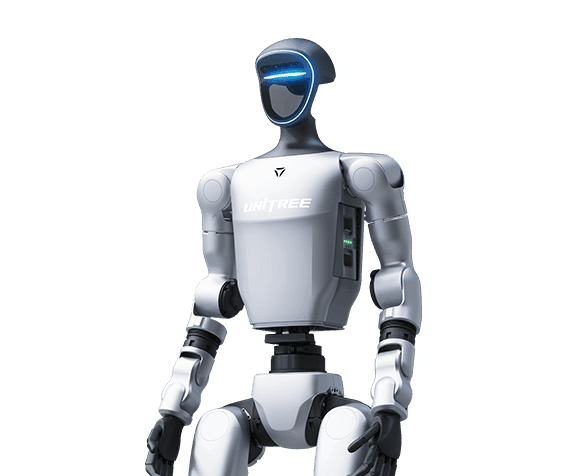
Humanoids are an obvious embodiment because many environments are designed around people. But an agent does not need arms and legs if the job is better served by wheels, tracks, rotors, or a fixed robotic arm.
A mobile inspection robot, warehouse AMR, drone, quadruped, or agricultural rover can all become more agent-like as perception and planning improve. The interesting part is not the shape. It is whether the machine can receive a goal, understand enough of the environment, take useful actions, and recover when things change.
For buyers, that makes robot selection more complicated. The same high-level goal might be solved by several very different machines. A business looking to automate inspection may not know whether it needs a quadruped, a wheeled platform, a drone, or a fixed sensor system.
That is exactly the discovery problem RobotifyX can help solve: connect the job to the available physical platforms rather than forcing buyers to already know which category of robot to search for.
Software agents changed the conversation from generating information to taking actions. Physical agents extend that idea into the environment around us. That is where AI stops merely helping with work on the screen and begins participating in work itself.
The marketplace to buy, rent, and hire robots.
Discover robotics systems and services across industries, capabilities, and real-world applications.
Explore RobotifyX