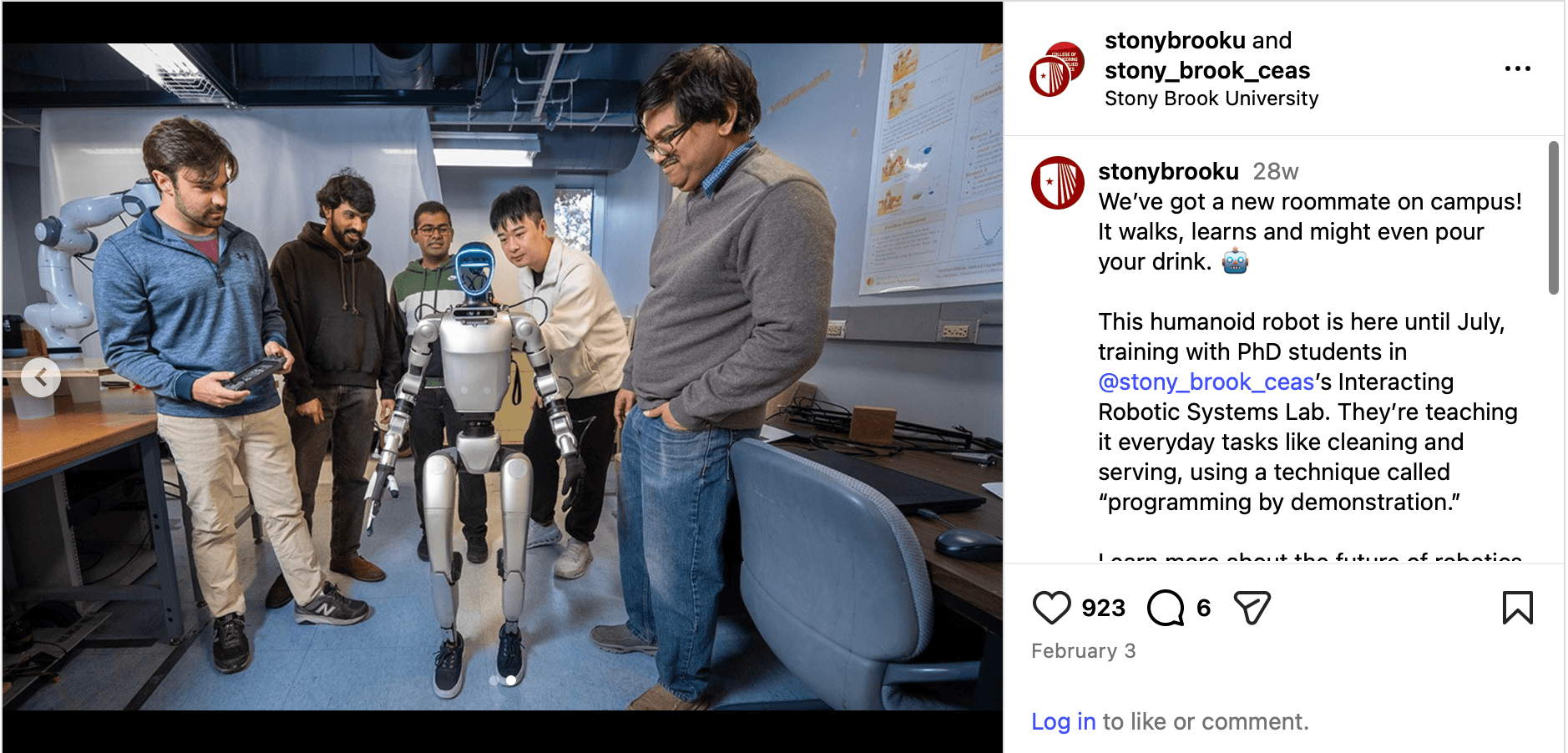
For years, a lot of AI education could happen almost entirely on a laptop. Students trained models, wrote code, analyzed datasets, and built increasingly capable software without anything physically moving across the room. Physical AI changes that equation. Once intelligence has cameras, motors, wheels, arms, batteries, and actuators, the classroom starts looking a lot more like the real world.
That shift matters because a model that works perfectly in simulation can behave very differently when it has to deal with friction, lighting changes, sensor noise, imperfect calibration, moving people, loose cables, narrow doors, and batteries that are somehow always lower than expected. Physical systems force students to confront the difference between intelligence in theory and intelligence embodied in hardware.
Universities are also under pressure to prepare students for a labor market where AI and robotics increasingly overlap. A computer science student may need to understand perception and control. A mechanical engineering student may need to understand machine learning. A design student may need to think about human-robot interaction. Physical AI naturally pulls these disciplines together.
Real hardware teaches the parts simulation hides
Simulation remains essential. It lets students test ideas quickly, repeat experiments, and explore environments that would be expensive or unsafe to reproduce physically. But simulation is usually cleaner than reality. The floor is flat. The lighting is predictable. The object is exactly where the software thinks it is. Nobody walks in front of the robot while carrying coffee.
Real robots introduce the messy details that make engineering useful. Students learn what happens when a sensor drifts, a wheel slips, a gripper misses, a network connection drops, or a perfectly reasonable navigation plan meets a chair somebody moved five minutes ago. These are not side issues. They are the actual environment in which robotics has to operate.
Hands-on work also changes how students understand tradeoffs. A more powerful model may increase latency. A larger battery may add weight. A faster robot may require more conservative safety rules. Better perception may require more expensive sensors. Physical AI education makes those compromises visible in a way a slide deck cannot.
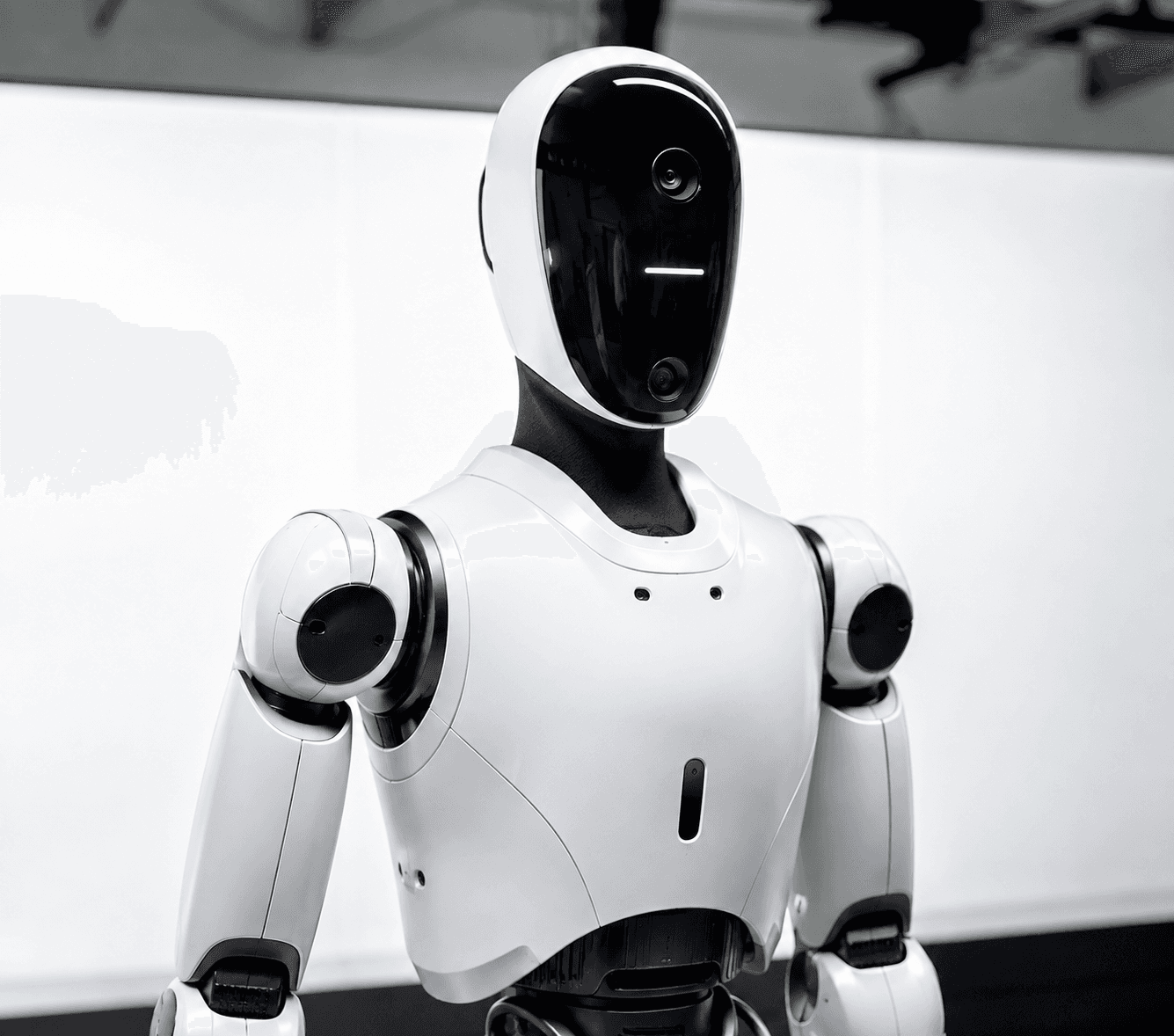
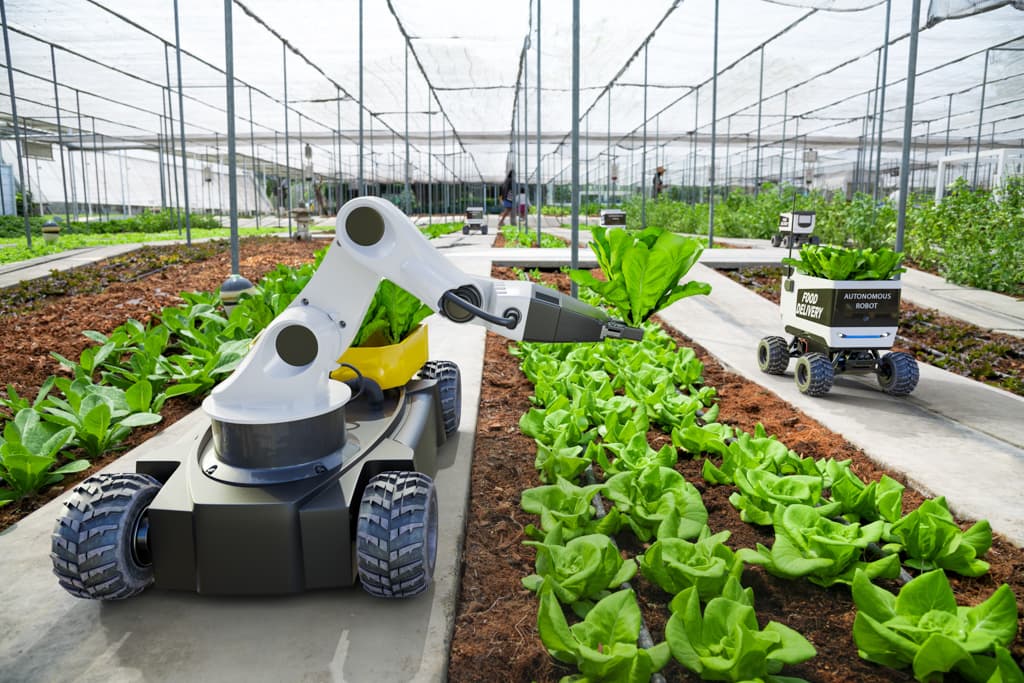
That is why access to different types of robots matters. Humanoids are exciting, but universities can also benefit from quadrupeds, mobile manipulators, drones, robotic arms, agricultural platforms, and autonomous carts. Different bodies expose students to different constraints.
Access may matter more than permanent ownership
The challenge is obvious: robots are expensive, specialized, and sometimes difficult to maintain. A university may want students to experience several platforms without buying every machine that appears on the market. That is where rental and flexible access models become interesting.
A school could bring in one platform for a semester-long robotics course, another for a research lab, and a third for a public demonstration or hackathon. Instead of treating a robot purchase as a permanent infrastructure decision, the university can treat hardware as something that changes with the curriculum.
That approach can also help smaller programs. Not every department has the budget or staff to maintain a fleet of advanced robots year-round. Short-term access can give students meaningful exposure without forcing the school to become a robotics service center.
For RobotifyX, universities are a natural customer because their needs are unusually diverse. One semester might require a humanoid for embodied AI research. Another might need a quadruped for autonomy work or an industrial arm for manipulation. The useful platform is not one that assumes every school wants the same machine. It is one that helps them find the right hardware for the specific educational or research goal.
The computer lab is not disappearing. It is getting bodies. The next generation of AI engineers will still need Python, but they may also need to understand payload limits, battery management, actuators, safety zones, and why the robot suddenly refuses to recognize a perfectly normal cardboard box.
The marketplace to buy, rent, and hire robots.
Discover robotics systems and services across industries, capabilities, and real-world applications.
Explore RobotifyX