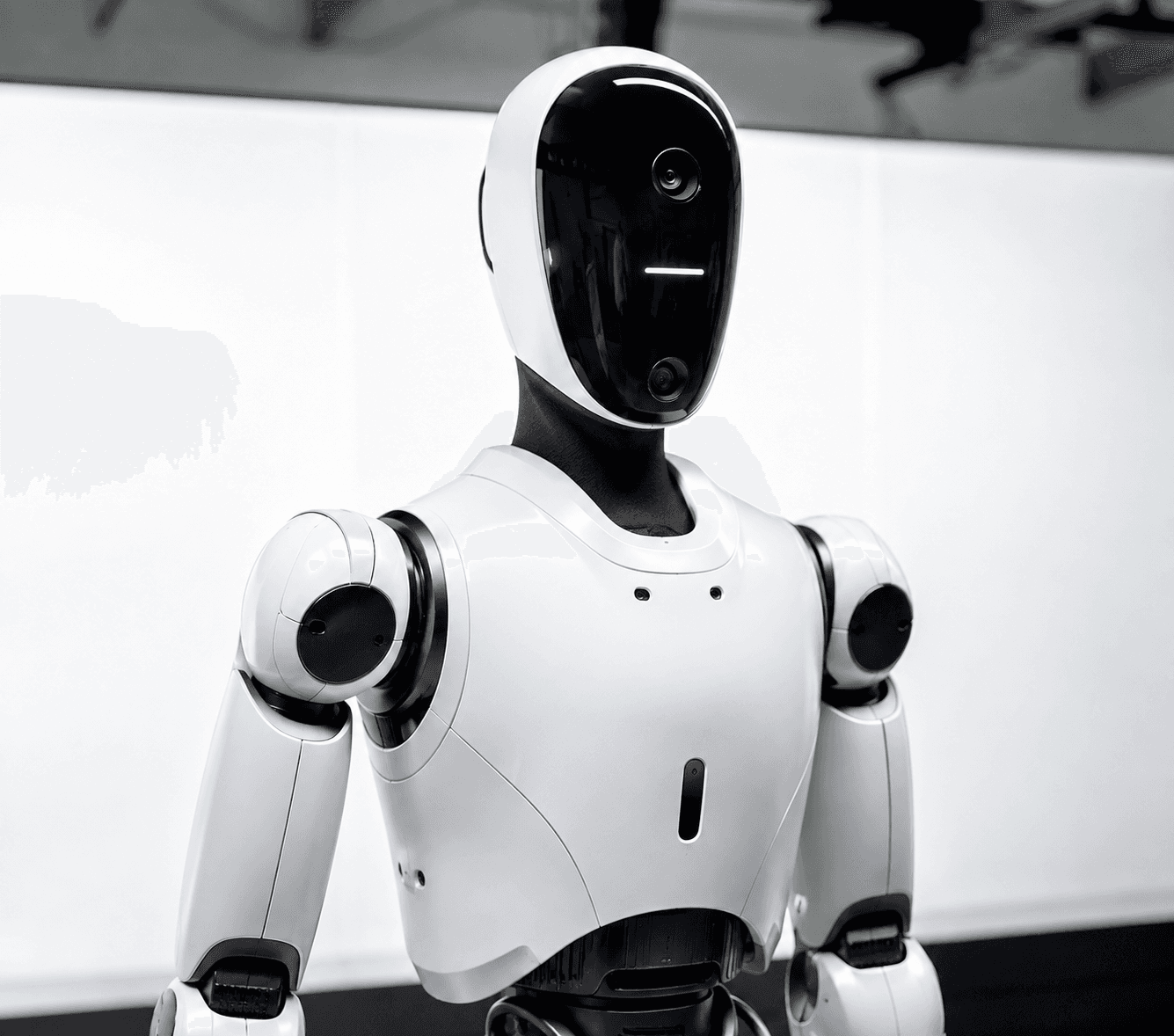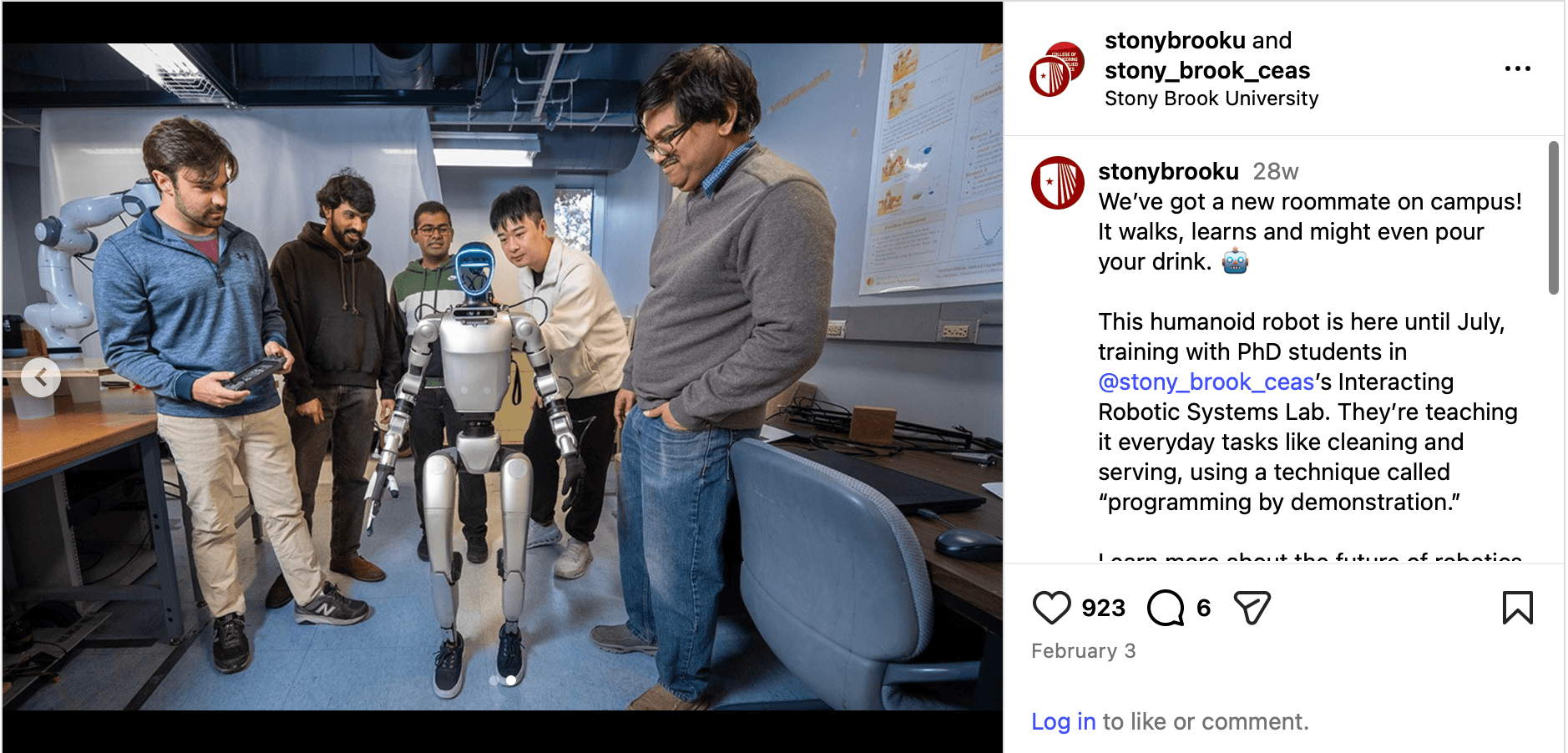
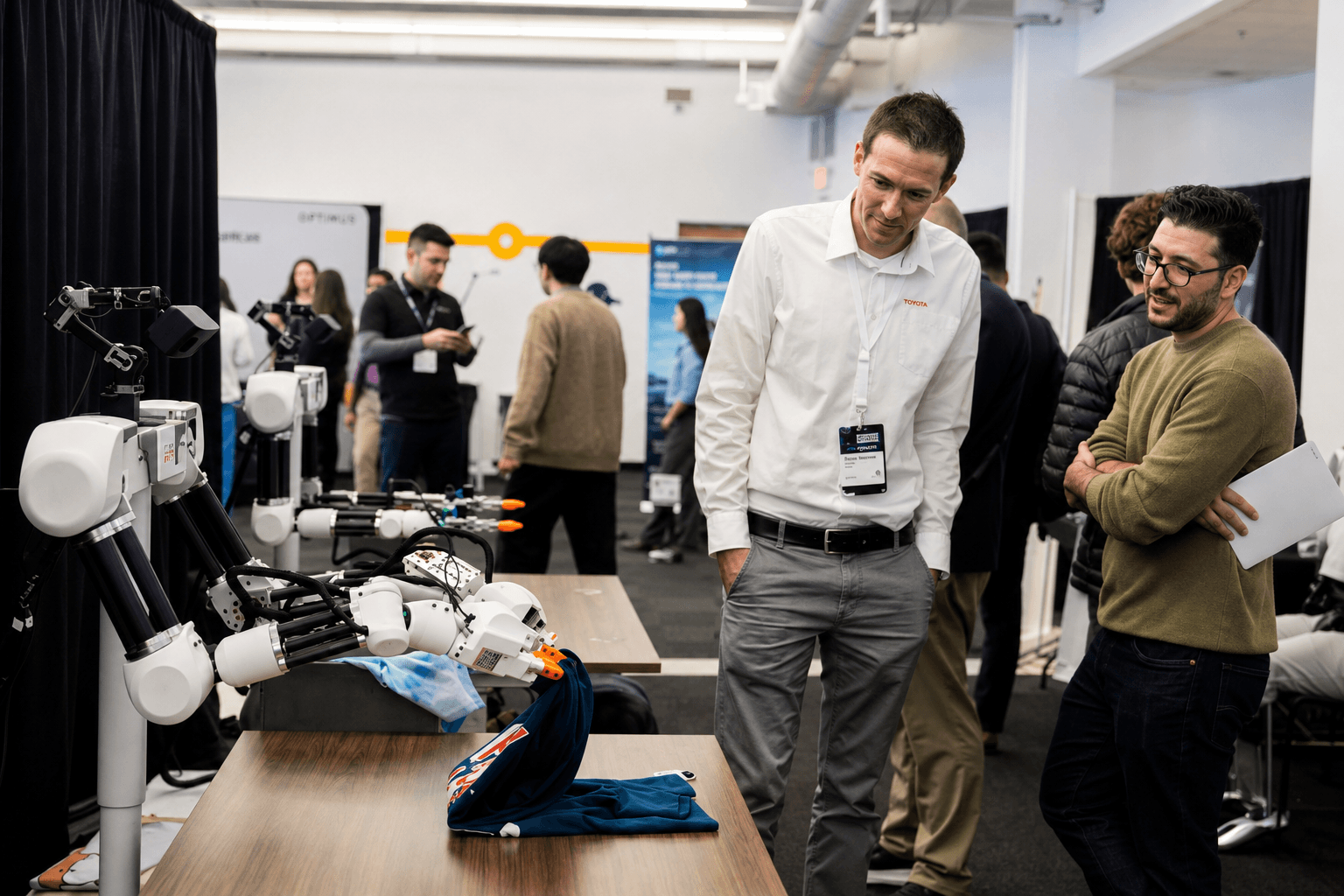
Renting a robot can turn an event into the thing attendees actually talk about afterward. It can also turn into very expensive stationary furniture if nobody asks the practical questions first. The robot is the fun part. Loading docks, elevators, Wi-Fi, charging, crowd flow, operator access, and venue rules are considerably less glamorous, but they are usually more important.
Start with the role. Is the robot greeting guests, roaming the floor, delivering lightweight items, appearing onstage, answering questions, participating in a demonstration, or simply creating photo opportunities? Different robots are designed for very different levels of interaction.
“We want a robot at the event” is not really a requirement. It is the beginning of a conversation.
The venue decides more than people expect
Before booking, map the robot's actual journey. How does it enter the building? Is there a loading dock? Are there stairs between required areas? Are the elevators large enough? Are doorways narrow? Is the floor carpeted, polished, uneven, or outdoors? Where can the machine charge without blocking a hallway?
Connectivity matters too. Some robots depend heavily on reliable Wi-Fi or remote operator access. Conference venues are famous for having excellent-looking networks that become much less excellent when thousands of devices connect at once.
Crowd density changes the problem. A robot that performs beautifully in an empty ballroom may move very differently when five hundred people are standing around it. If guests are expected to interact, the activation needs space, staff, and a plan for keeping the machine from being surrounded.
Venue rules should be checked early. Insurance requirements, union labor, safety restrictions, electrical rules, loading windows, security, and permitted equipment can all affect what is possible.
Plan the operation, not just the appearance
Find out who operates the robot. Some rentals include a technician or operator. Others expect the renter to handle certain controls. For a public event, having someone who understands the machine nearby is often worth it. Every minute spent troubleshooting is a minute the robot is not doing the thing everyone came to see.
Runtime needs to be planned into the schedule. If the robot can operate for two hours and the event lasts eight, decide when it should appear, where it will charge, and whether battery swaps are available. A scheduled entrance can actually make the robot feel more special than leaving it powered on in the corner all day.
Think about the interaction from the attendee's perspective. Where do they first see the robot? What are they supposed to do? How long does the interaction take? What happens after? The best event robots feel integrated into the experience rather than randomly parked inside it.
RobotifyX can make this process easier by helping organizers compare robots not only by appearance but by mobility, runtime, operator requirements, environment, and rental availability.
A little operational planning is the difference between “there was a robot at the event” and “you should have seen what the robot did.” The second sentence is what you are paying for.
The marketplace to buy, rent, and hire robots.
Discover robotics systems and services across industries, capabilities, and real-world applications.
Explore RobotifyX