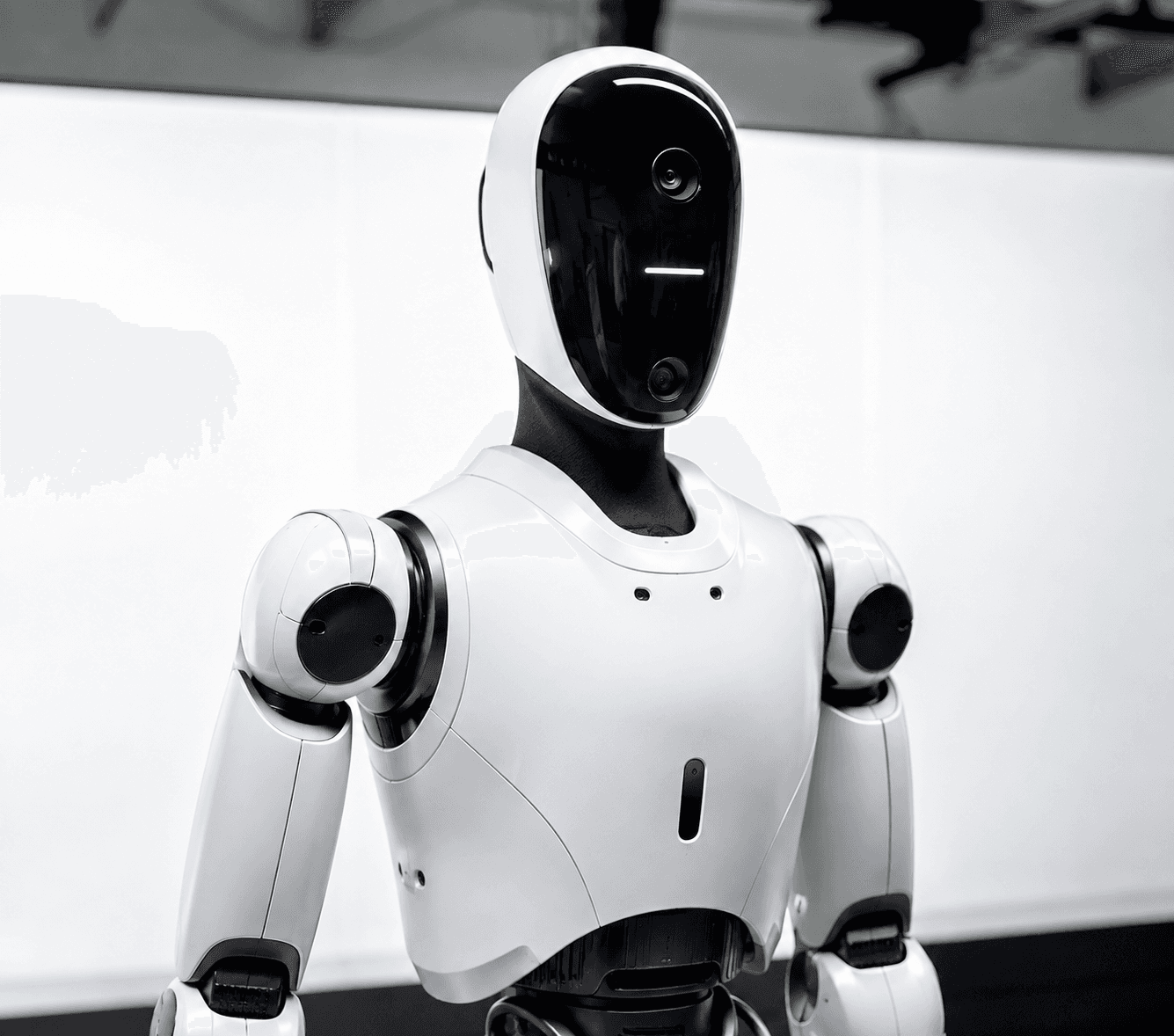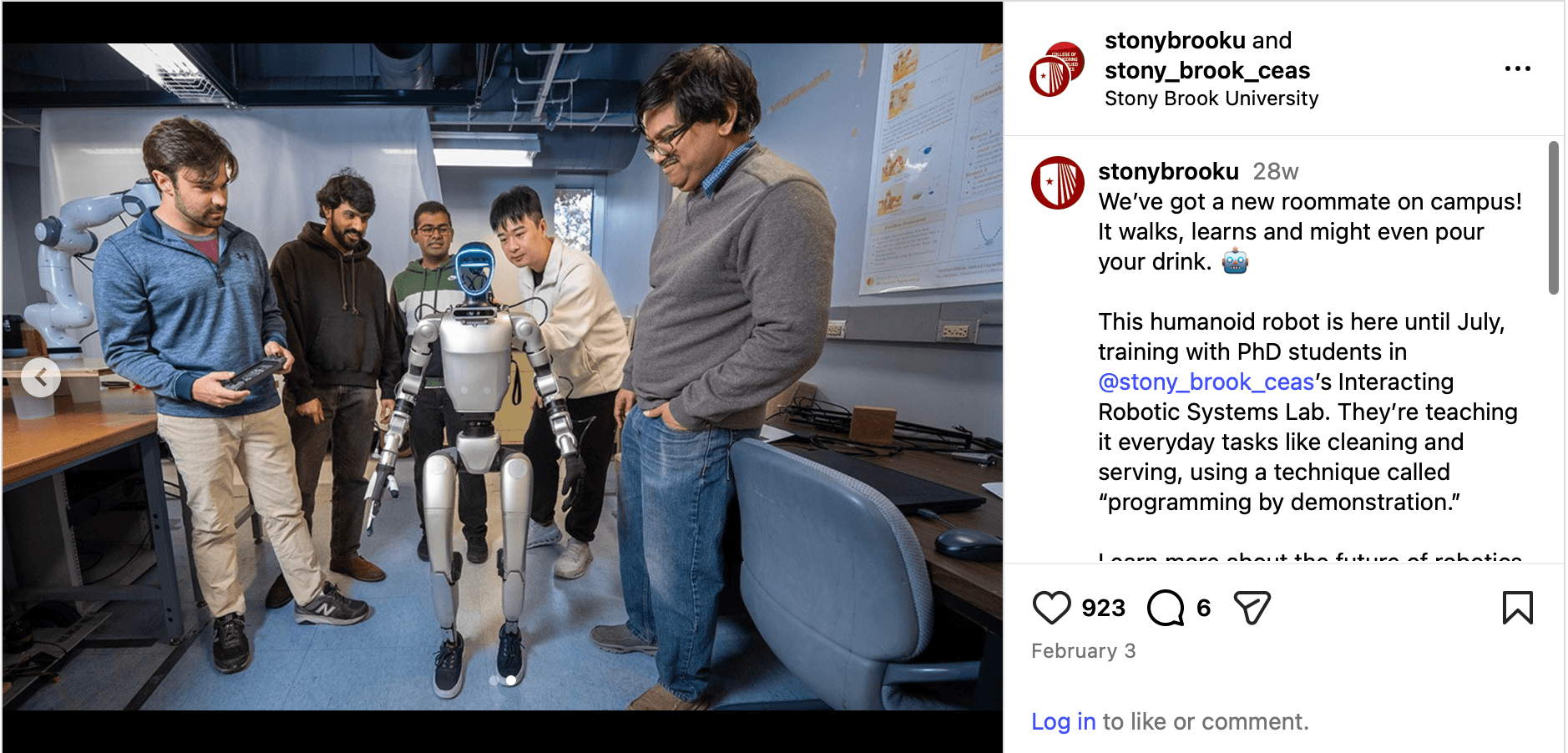
Put a robot in the middle of a normal event and watch what happens. People stop. Someone points. Three phones appear. Within five minutes, the robot has probably been introduced to somebody's Instagram story. That makes robotics unusually attractive for experiential marketing because the machine creates curiosity before the campaign has even said anything.
That attention is valuable, but it is also easy to waste. A robot can become the most photographed object at an event while the brand itself becomes completely forgettable. People go home remembering “the cool robot” and having no idea which company paid for it.
The job of the campaign is therefore not simply to bring a robot into the room. It is to turn the robot's novelty into a story, interaction, or piece of content that connects back to the brand.
Attention is the opening, not the strategy
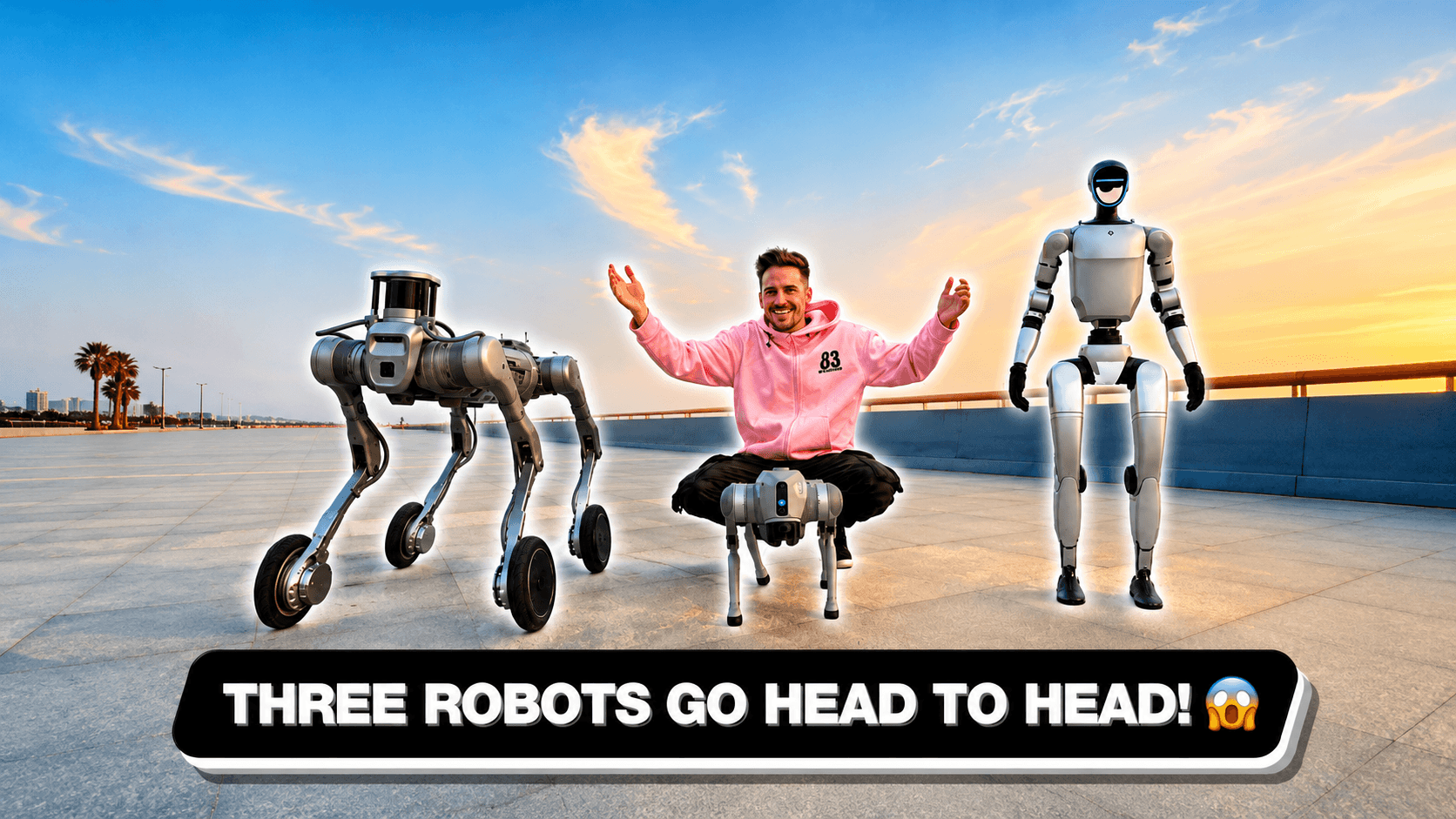
Robots still feel unusual enough in public that a humanoid, quadruped, delivery robot, or interactive machine can turn an ordinary activation into something people actively approach. That gives a brand the first five seconds almost for free.
What happens next is the part that matters. The strongest activations give the robot an actual role. It might greet guests, deliver products, participate in a challenge, pose for content, demonstrate a technology, or become a temporary character for the campaign.
The interaction should be easy to explain afterward. If someone sends a clip to a friend, the friend should immediately understand what was happening and why the robot was there. “There was a robot” is weaker than “this robot challenged people to assemble the product faster” or “the robot delivered samples around the venue.”
Branding should also feel integrated rather than pasted on. Screens, props, scripted behavior, the environment, and the interaction itself can connect the robot to the campaign more naturally than covering the machine in logos.
Design for the people who are not in the room
Modern activations have two audiences: the people standing there and everyone who sees the footage later. That means sight lines, lighting, movement, interaction length, and where the branding appears on a vertical phone screen all matter.
The best moment should be easy to capture. If the robot performs its most interesting action with its back to the audience or inside a dark corner of the booth, the activation may work in person but produce weak content.
A single robot rental can generate short-form videos, reaction footage, behind-the-scenes content, press photos, influencer collaborations, interviews, and campaign assets long after the physical event ends. If a brand is already paying to bring unusual hardware into a room, it should plan to extract as much media value from that moment as possible.
None of this guarantees virality. No robot comes with a million-view button. What the hardware gives you is a visually unusual, highly shareable object around which a creative idea can be built.
That is where RobotifyX can become useful to marketers: not just by helping them find a robot, but by making it easier to match the machine to the actual campaign concept, venue, interaction, and budget. The robot gets people to look. The idea gives them a reason to remember and share.
The marketplace to buy, rent, and hire robots.
Discover robotics systems and services across industries, capabilities, and real-world applications.
Explore RobotifyX