Robots are visually interesting by default. Unfortunately, cameras are perfectly capable of making interesting things look extremely boring. If you somehow got access to a futuristic machine, please do not film the entire thing from six feet away under office lighting.
Treat the robot like a subject, not a piece of equipment. The goal is to show movement, scale, texture, sound, and the physical details that make the machine feel different from ordinary technology.
A good robotics video should help viewers understand both what the robot looks like and what it feels like to be near it.
Show the machine in motion and give that motion context
Wide shots explain the robot's overall form, but close-ups explain why it is interesting. Film joints moving, wheels beginning to turn, sensors scanning, fingers closing, lights changing, motors engaging, and the small mechanical details people normally never see.
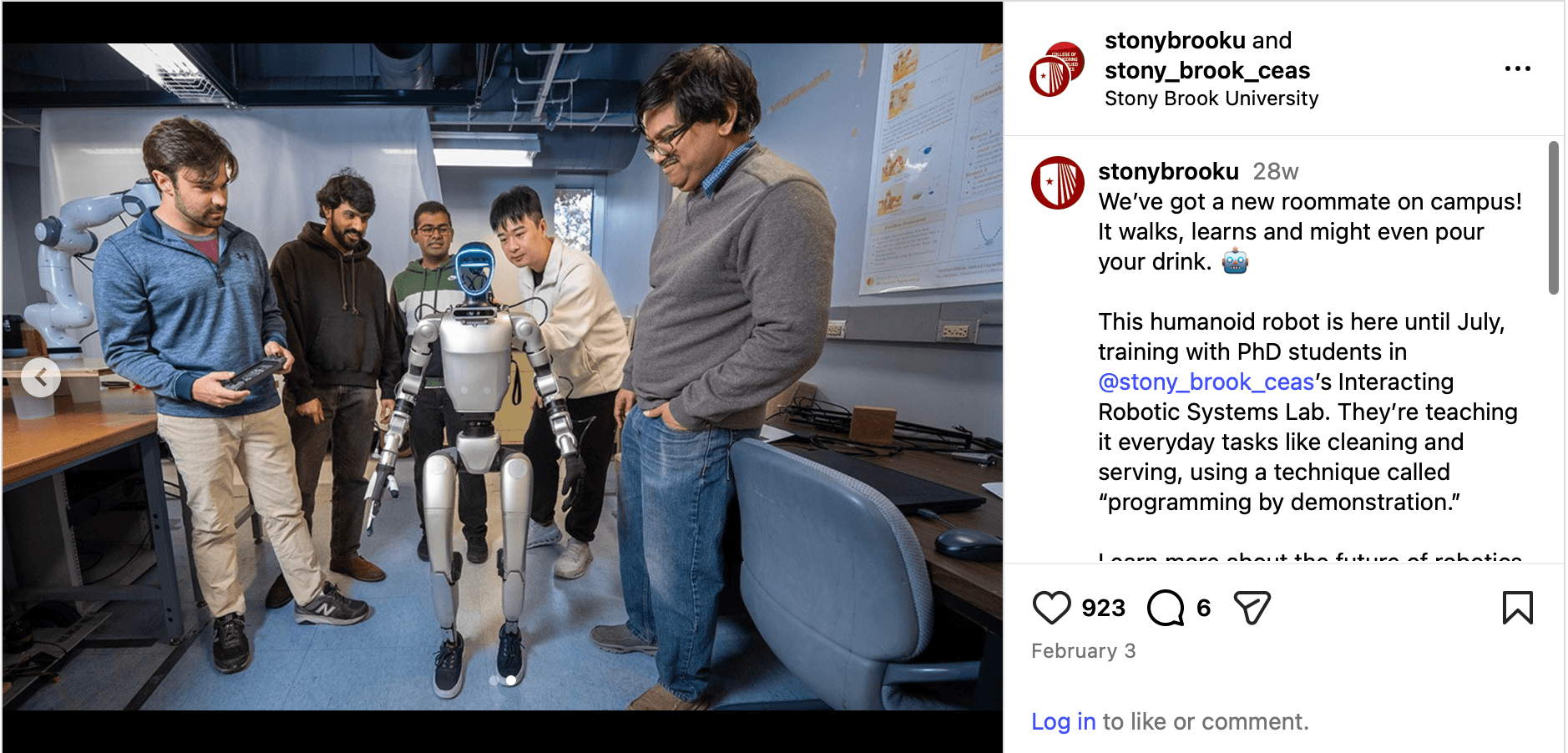
Movement needs reference points. A robot crossing an empty room can look surprisingly slow on camera because the viewer has nothing to compare it with. Let it move past people, furniture, doors, shelves, equipment, or recognizable objects.
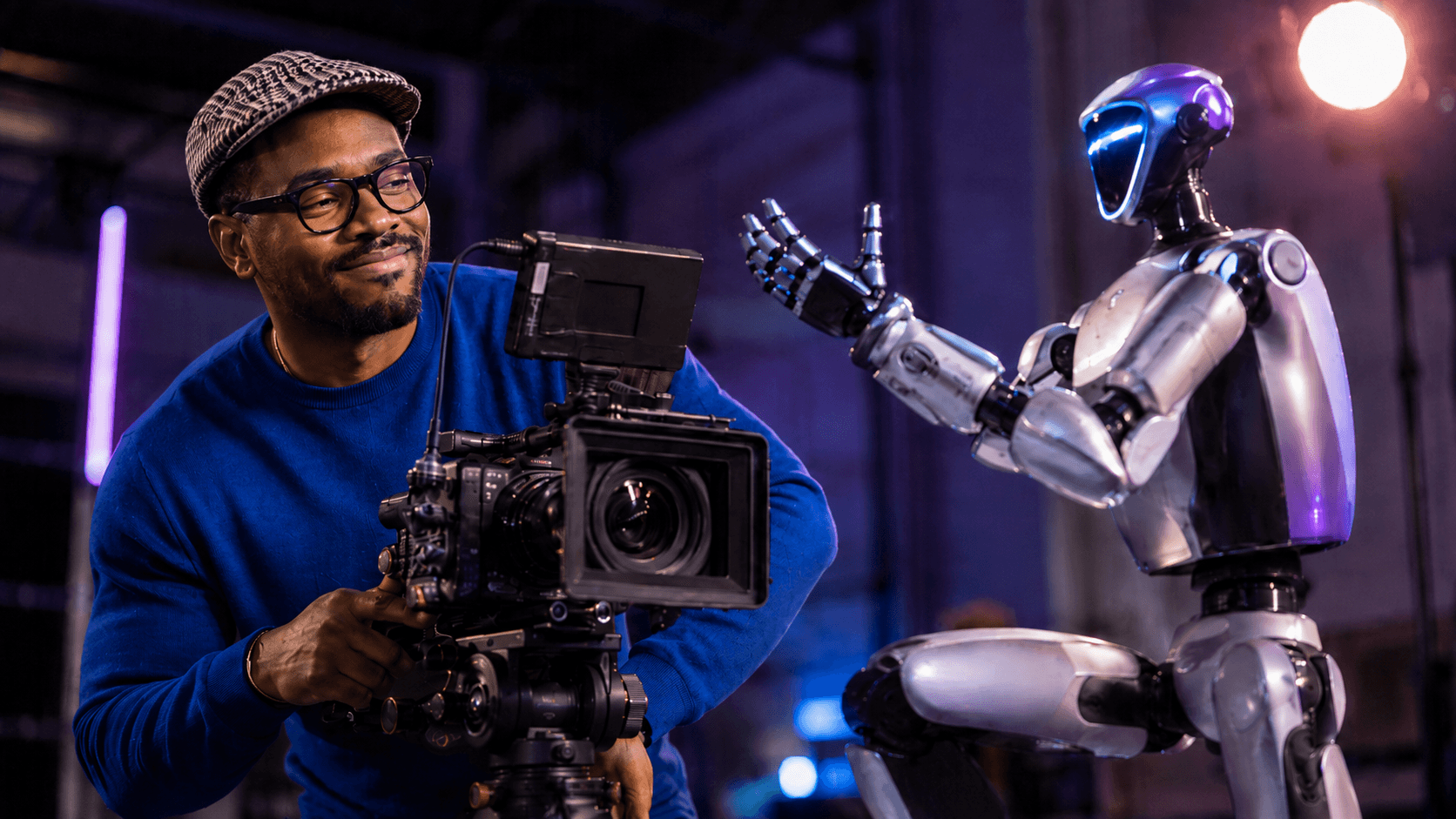
Change the camera height. Shoot low to make the machine feel larger. Track alongside it to emphasize speed. Follow from behind to show navigation. Get over-the-shoulder shots when it interacts with a person or object.
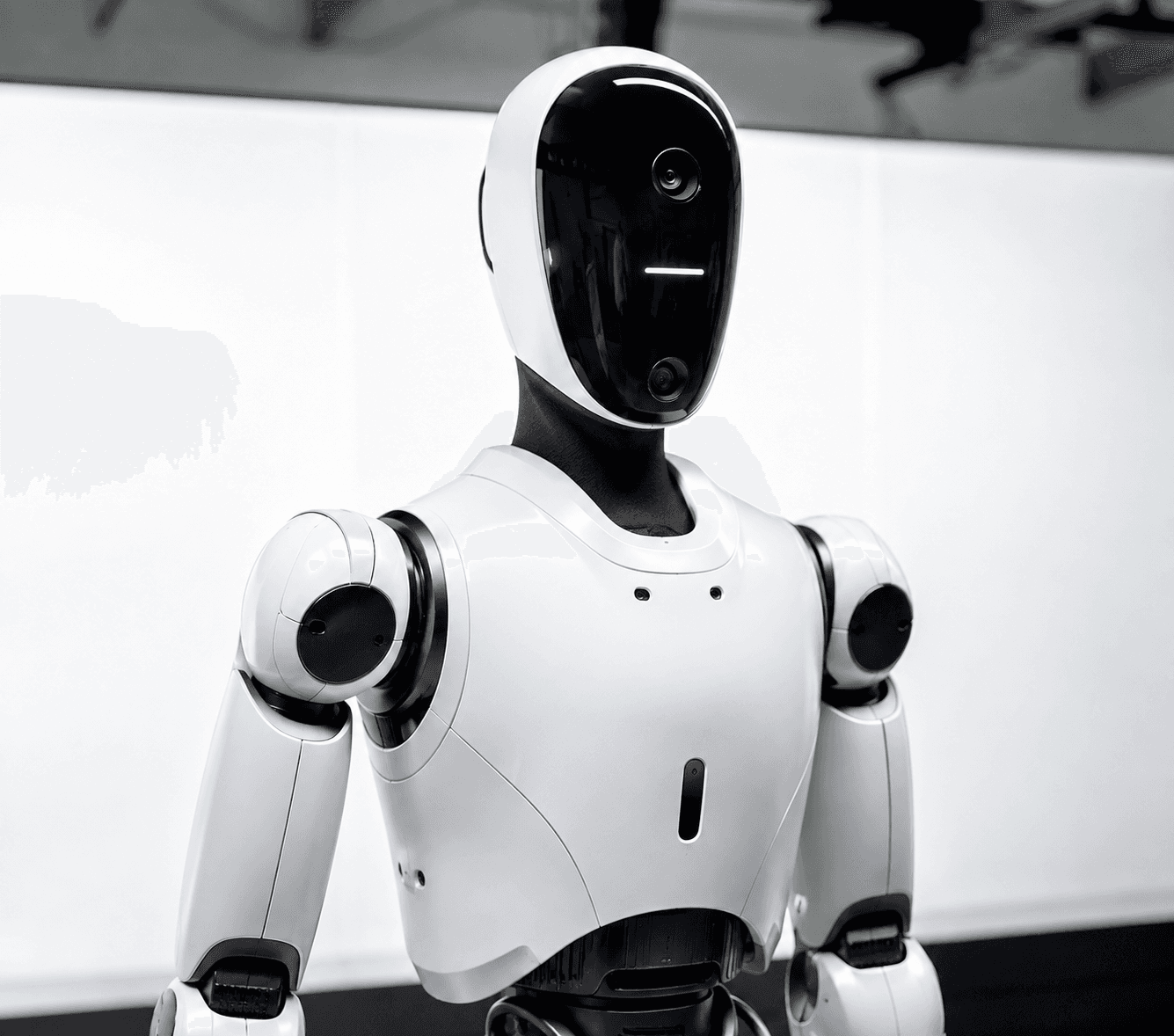
The environment should support the story. A warehouse robot looks more interesting working around pallets than parked against a white wall. A humanoid feels more impressive when viewers can see how it navigates a human-scale space.
Film the task, not just the robot
A robot standing there is a product shot. A robot attempting something is a story. Show the setup, the attempt, the result, and—when appropriate—the failure. Viewers become much more invested once they understand what the machine is trying to accomplish.
Sound is part of that physicality. Motors, footsteps, servos, fans, actuators, and mechanical clicks can make robotics footage feel dramatically more real. Do not automatically bury all of it under music.
Personality can come from framing without pretending the machine is sentient. A pause, head turn, awkward movement, successful grab, or spectacularly unsuccessful attempt can become a character moment simply because of when you cut and how you react.
Lighting matters as much as with any other reflective subject. Robots often combine glossy plastic, metal, screens, and dark sensor surfaces. Soft directional lighting can reveal shape much better than flat office light.
The goal is not to fake what the robot can do. It is to make what it actually does enjoyable to watch. If creators rent hardware through RobotifyX, that content value is part of the reason the rental makes sense in the first place.
The marketplace to buy, rent, and hire robots.
Discover robotics systems and services across industries, capabilities, and real-world applications.
Explore RobotifyX