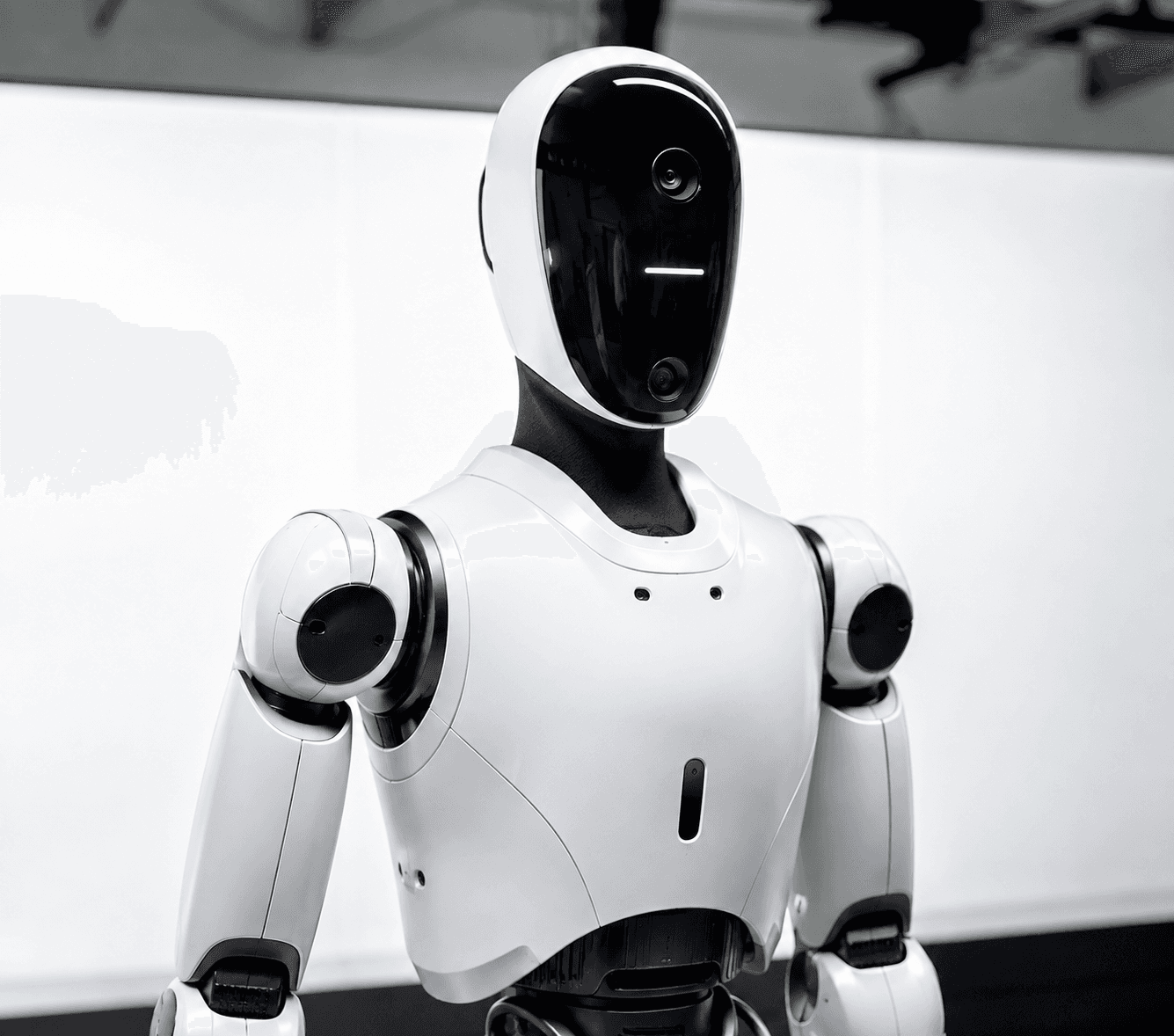
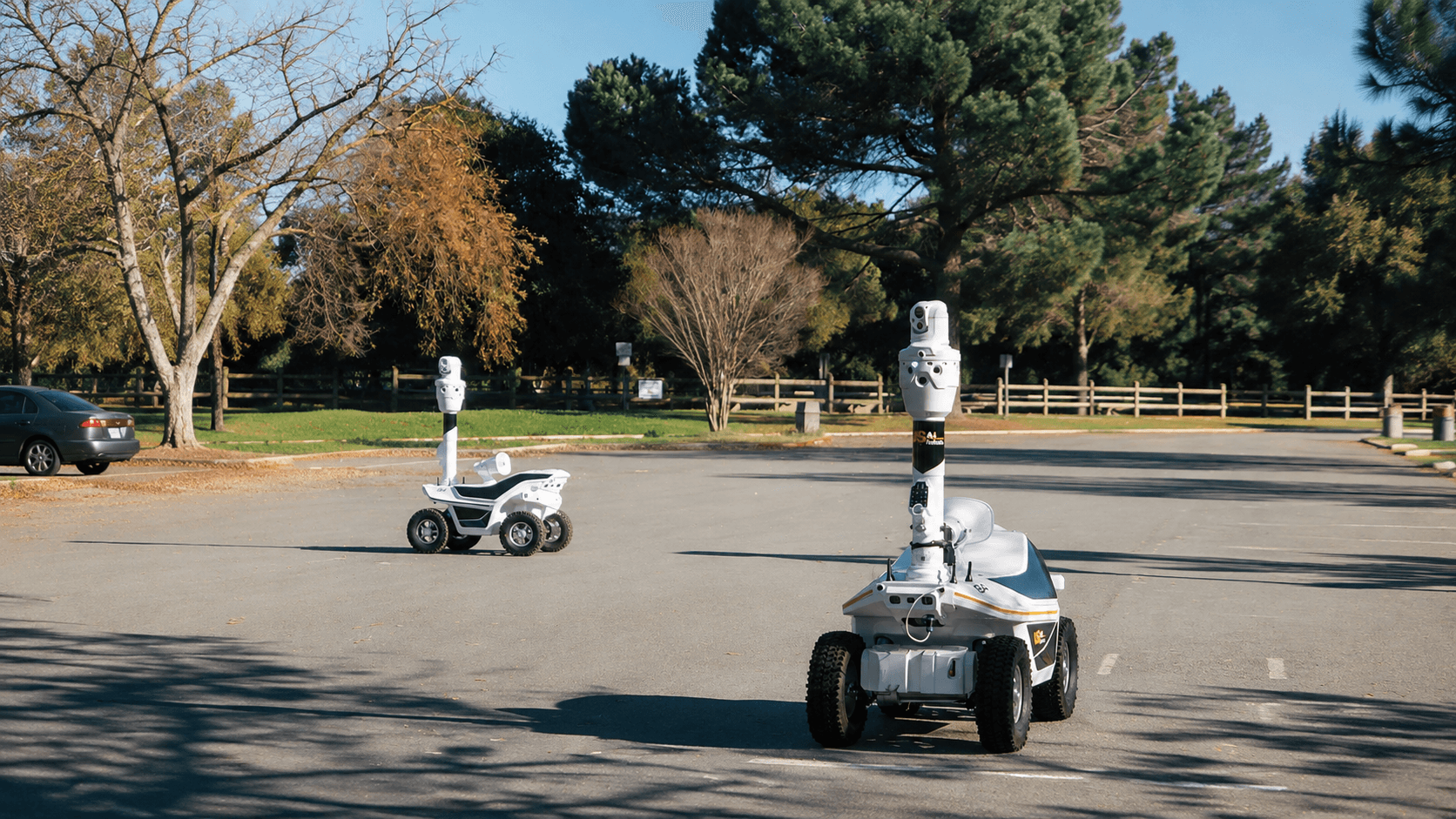
Say “security robot” and the imagination immediately goes somewhere dramatic. Reality is usually much less RoboCop and considerably more practical. Mobile robots can patrol defined environments, carry cameras and sensors, document conditions, detect unusual activity, and provide security or operations teams with another set of eyes.
That is useful because a lot of patrol and inspection work is repetitive. Someone walks the same route, checks the same doors, looks at the same equipment, and tries to notice what changed. Autonomous mobility can take over some of that repetitive coverage without requiring the robot to make every security decision itself.
The strongest use case is often not replacement. It is consistent sensing.
Think mobile sensor platform, not robot officer
A patrol robot can collect imagery, thermal data, environmental readings, audio, or other sensor information while following scheduled or event-triggered routes. If something looks unusual, a person can decide what to do next.
That division of labor is important. Security frequently requires judgment, communication, escalation, and context. Robots are better suited to the repetitive part: cover the space, collect the information, and make sure the same area is not skipped because everyone got busy.
The value can extend beyond traditional security. Facilities teams may use patrol robots for equipment inspection, leak detection, temperature checks, or documenting conditions in large properties. The same basic capability—move through a space and observe consistently—can serve several departments.
The business case becomes stronger in large environments where covering distance is itself expensive: warehouses, campuses, parking facilities, industrial sites, logistics centers, and other properties where people spend a lot of time simply getting from one checkpoint to the next.
The environment decides whether patrol autonomy works
A robot patrolling a smooth indoor lobby faces a completely different problem from one operating around loading docks, outdoor lots, stairs, weather, construction zones, or heavy pedestrian traffic. The best machine is not the one that looks most futuristic. It is the one whose mobility and sensors match the environment.
Operators should also think about charging, connectivity, remote access, maintenance, and what happens when the robot cannot complete a route. If a human has to rescue it constantly, the deployment may simply create a new kind of patrol.
This is a category where renting or piloting first can be valuable. A site may look easy on paper and reveal dozens of small autonomy problems once the robot actually starts moving through it.
RobotifyX can help organizations compare patrol and inspection platforms around environment, mobility, sensor payload, runtime, and access model rather than just product photos.
The future of robot patrol may look surprisingly ordinary. Successful machines will eventually become part of the background: making routine rounds while people focus on situations that require judgment. And that is often what successful automation looks like. Eventually, nobody stops to stare.
The marketplace to buy, rent, and hire robots.
Discover robotics systems and services across industries, capabilities, and real-world applications.
Explore RobotifyX