Some robotics use cases are about efficiency. Others are about putting distance between a person and something that can seriously hurt them. Disaster response sits firmly in the second category.
Collapsed structures, fires, chemical incidents, floods, damaged infrastructure, unstable terrain, and other emergencies can make even basic inspection dangerous. A robot can enter first, send information back, and help responders understand the environment before anyone commits a person to it.
In that setting, the value proposition is refreshingly simple: if a machine can take risk that would otherwise belong to a human, the hardware does not need to look futuristic to be useful.
Different emergencies need different machines
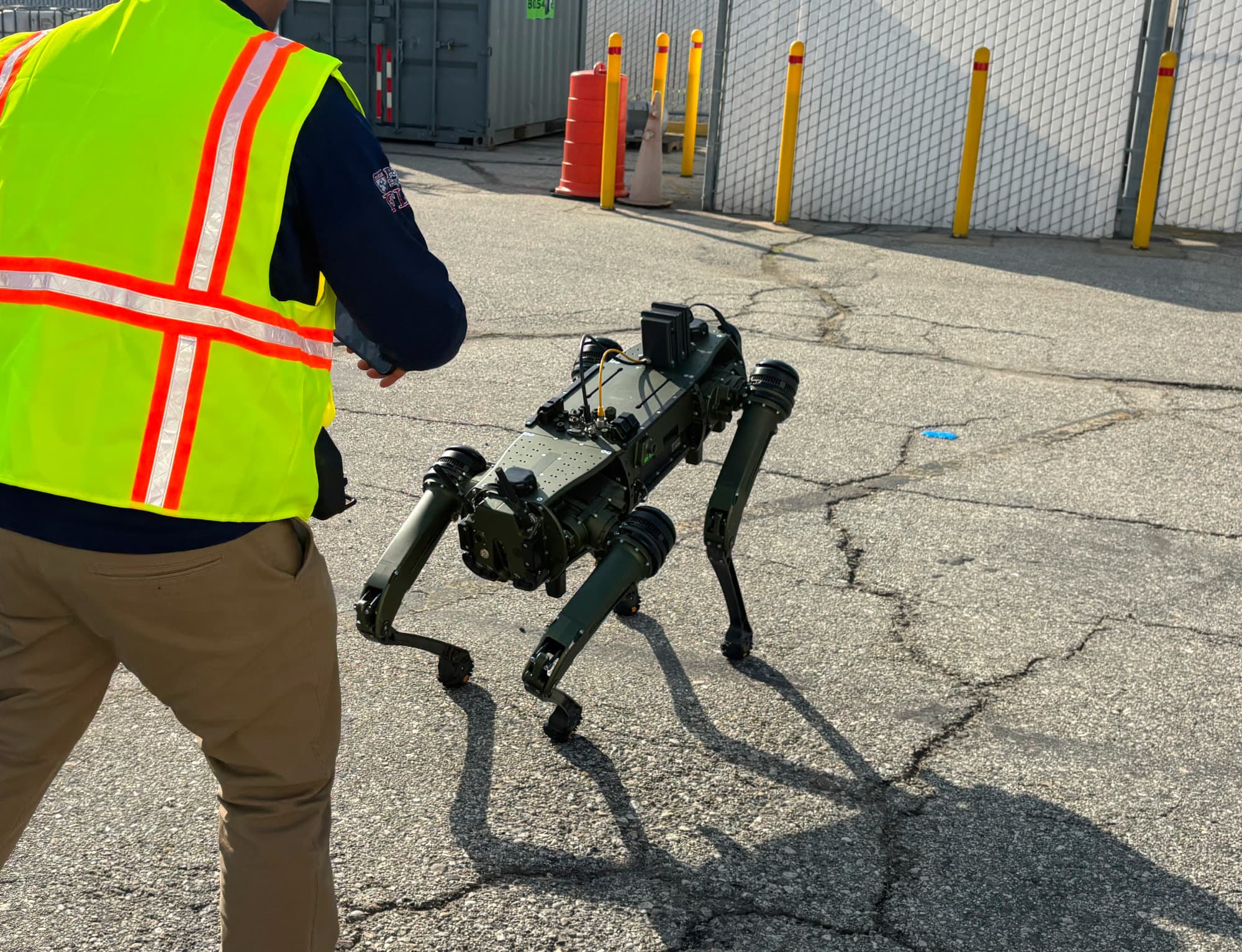
There is no universal disaster robot. A tracked platform may work well over rubble. A quadruped may step over obstacles. A drone can survey quickly from above. A small wheeled machine may enter a narrow space that no responder can safely reach.
Payload matters as much as mobility. Cameras, thermal sensors, gas detectors, microphones, mapping systems, lights, and communication equipment can turn a robot into a remote set of eyes and ears.
The right design depends on the environment. A machine built for a flooded building faces a different problem from one designed for wildfire response or structural collapse. Disaster robotics is less about one heroic robot and more about having access to the right platform for the specific hazard.
That is also why ease of deployment matters. In an emergency, nobody wants a machine that requires three hours of calibration and a specialist flown in from another state. Setup, transport, control, and recovery have to be simple enough to use under pressure.
Reliability matters more than saving the robot
One of the uncomfortable but useful differences between people and machines is that a machine can be replaceable. If a robot collects critical information from a dangerous area and then fails, the mission may still be a success if it kept a person from entering blindly.
That does not mean hardware should be disposable. It means the deployment can tolerate risks that would be unacceptable for a human. A robot can be sent toward heat, toxic air, unstable structures, or uncertain terrain specifically because losing the machine is preferable to losing a responder.
Communication and autonomy both matter. Remote control gives people direct oversight, but connectivity may be weak inside damaged structures. More autonomous navigation can help, but only if the robot behaves predictably when conditions deteriorate.
RobotifyX can eventually help emergency teams discover and compare platforms based on mobility, payloads, environment, ruggedization, rental access, and support. Not every department needs to own every specialized robot permanently.
Robotics is often marketed as futuristic technology. In disaster response, its best argument is much simpler: let the robot take the risk first.
The marketplace to buy, rent, and hire robots.
Discover robotics systems and services across industries, capabilities, and real-world applications.
Explore RobotifyX