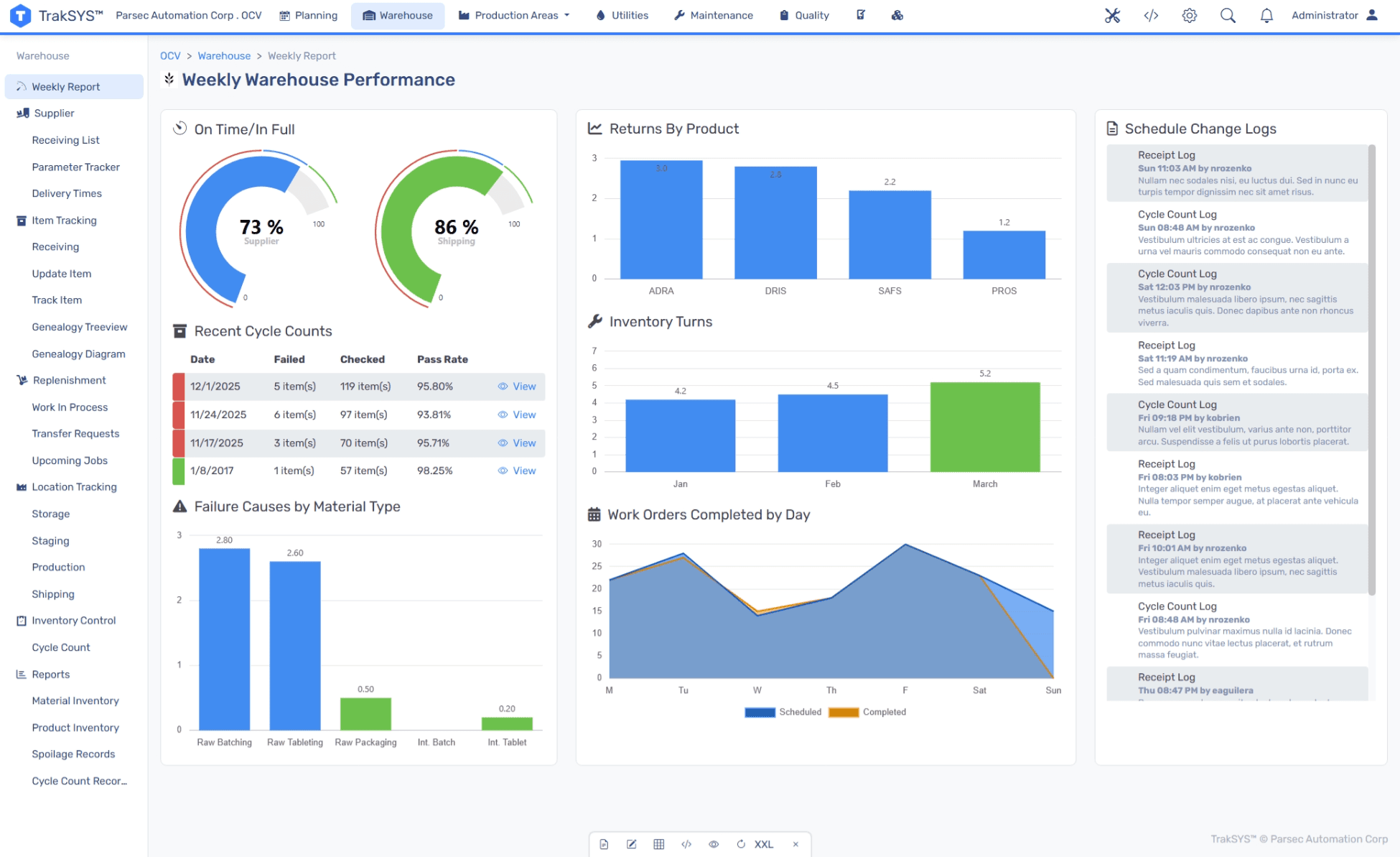
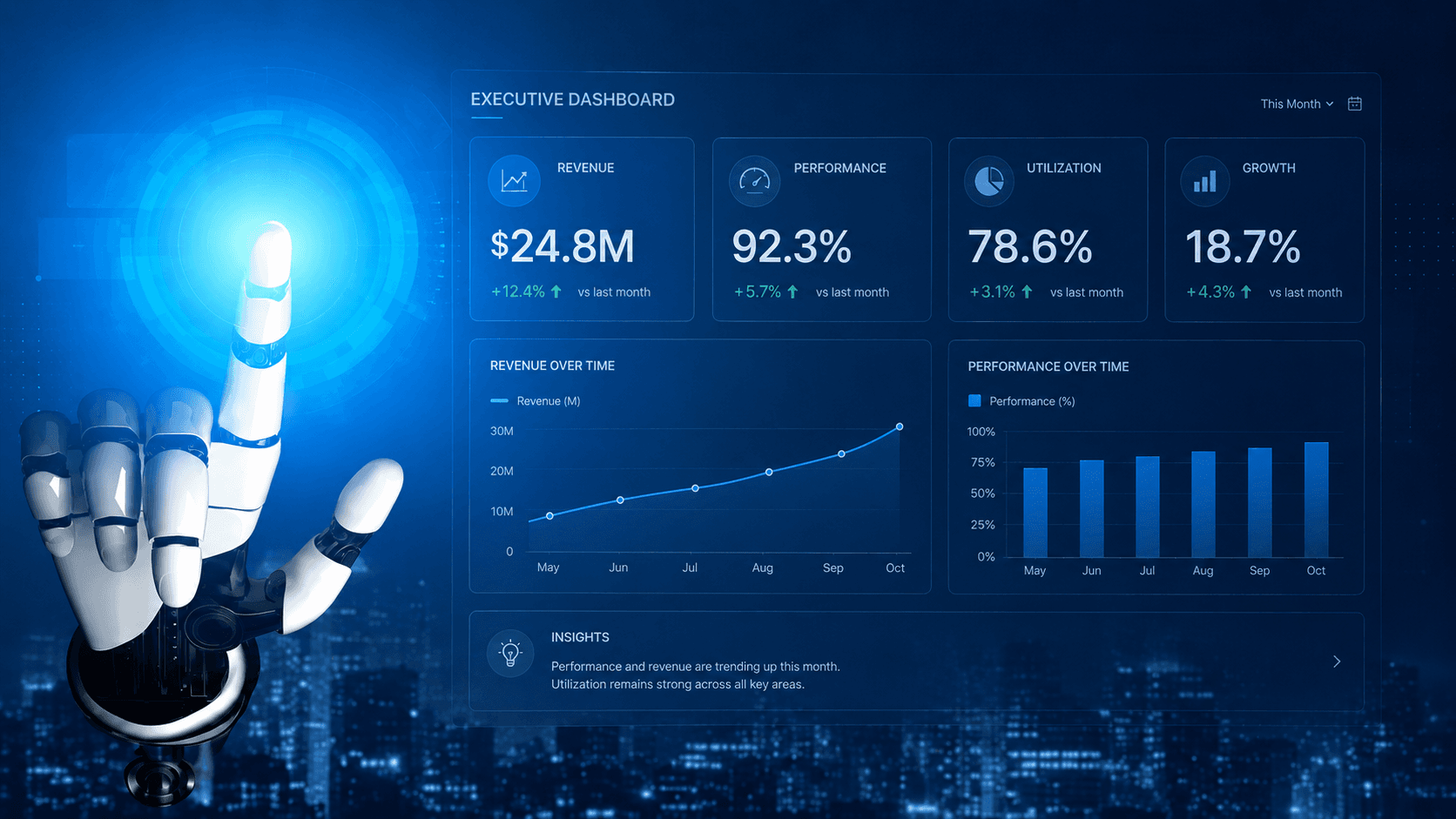
Once a robot is deployed, the conversation should change. The question is no longer whether the technology is impressive. The question is whether it is reliably improving the operation. That requires metrics that connect the machine's behavior to the job the business actually cares about.
The trap is measuring whatever the robot vendor happens to display on the dashboard. Uptime sounds useful. So does autonomy percentage. But a machine can have excellent uptime while spending most of the day idle, and it can technically operate autonomously while repeatedly failing the workflow.
A useful KPI set starts with the outcome, then works backward into the technical reasons behind that outcome.
Measure useful work, not robot activity
Task completion rate is a strong starting point. How often does the robot successfully complete the job it was deployed to perform? Depending on the use case, that might mean pallets moved, aisles scanned, inspections completed, rooms cleaned, deliveries made, or samples transported.
Throughput adds volume. How many useful tasks does the machine complete per hour, shift, or day? This matters because a robot can be reliable but too slow to improve the operation.
Useful utilization measures how much available time the robot spends doing meaningful work rather than charging, waiting, being repositioned, or sitting idle. Do not confuse “powered on” with “productive.”
Human interventions belong in the same group. Track how often employees need to reset, rescue, redirect, or otherwise assist the machine. A robot marketed as autonomous can create a surprisingly large hidden workload if people constantly step in.
Connect technical performance back to economics
Downtime and recovery time matter because not all failures are equal. A thirty-second software reset is very different from a hardware problem that takes the robot offline for two days. Track both how often failures happen and how long it takes to return to useful work.
Cost per task is where the technical metrics start turning into a business metric. Combine purchase or rental cost, maintenance, software, energy, intervention, and utilization, then compare the resulting cost of useful work against the current process.
Safety should be measured with the same seriousness as productivity. Emergency stops, collisions, near misses, unsafe interactions, or other incidents can invalidate an otherwise efficient deployment.
Employee impact matters too. If the robot removes repetitive walking, heavy lifting, dangerous inspections, or low-value manual scanning, that improvement should be captured even if it does not show up as a direct headcount reduction.
The most important step is choosing the KPIs before the pilot begins. Establish the baseline of the current workflow, decide what success looks like, and then compare honestly. RobotifyX can help make this kind of evaluation more standardized across vendors. Otherwise, every robotics pilot risks ending with the world's least useful conclusion: everyone thought it was pretty cool.
The marketplace to buy, rent, and hire robots.
Discover robotics systems and services across industries, capabilities, and real-world applications.
Explore RobotifyX