The last wave of AI mostly lived behind glass. You typed into a screen, a model thought for a moment, and something useful appeared. Physical AI takes that intelligence and gives it consequences in the real world. Cameras become eyes. Motors become movement. Robot arms manipulate objects. Autonomous machines navigate spaces that were never perfectly designed for them.
That sounds like a natural next step, but it is dramatically harder than generating text or images. A chatbot can misunderstand a request and produce a bad paragraph. A robot can misunderstand a request and drop the box, hit the shelf, get stuck in a doorway, or simply stop because the lighting changed.
The challenge is that intelligence now has to operate inside physics. Gravity, friction, battery limits, mechanical tolerances, imperfect sensors, latency, moving people, and unpredictable environments all become part of the problem.
Better models change what robots can be
Traditional industrial robots became incredibly useful by doing narrow jobs in highly controlled environments. They were programmed around repeatability: same motion, same object, same workspace, over and over. That model is not going away, but AI is expanding the range of environments where robots may be useful.
Better perception helps machines recognize more variation. Better language interfaces make it possible to express tasks at a higher level. Better planning lets systems reason through multiple steps. The long-term direction is toward telling a robot more about the outcome you want and less about every individual motion required to get there.
That does not mean a general-purpose robot is suddenly solved. Hardware still matters. Control systems still matter. Safety still matters. A large model cannot compensate for a weak gripper, poor localization, or a battery that dies halfway through the task.
What is changing is the interface between software intelligence and physical capability. As that interface improves, more machines can become useful outside perfectly structured environments.
The opportunity is much bigger than humanoids
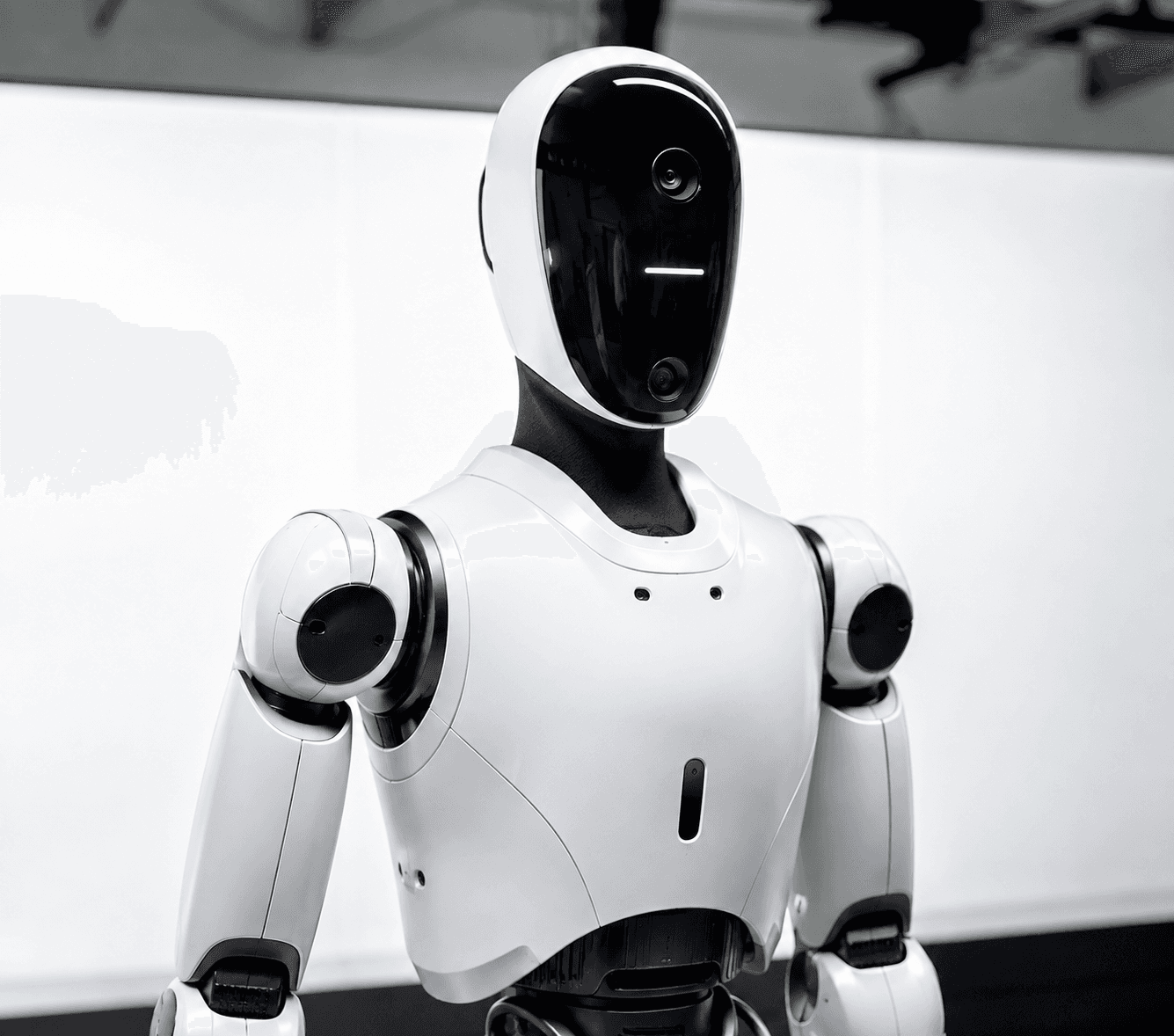
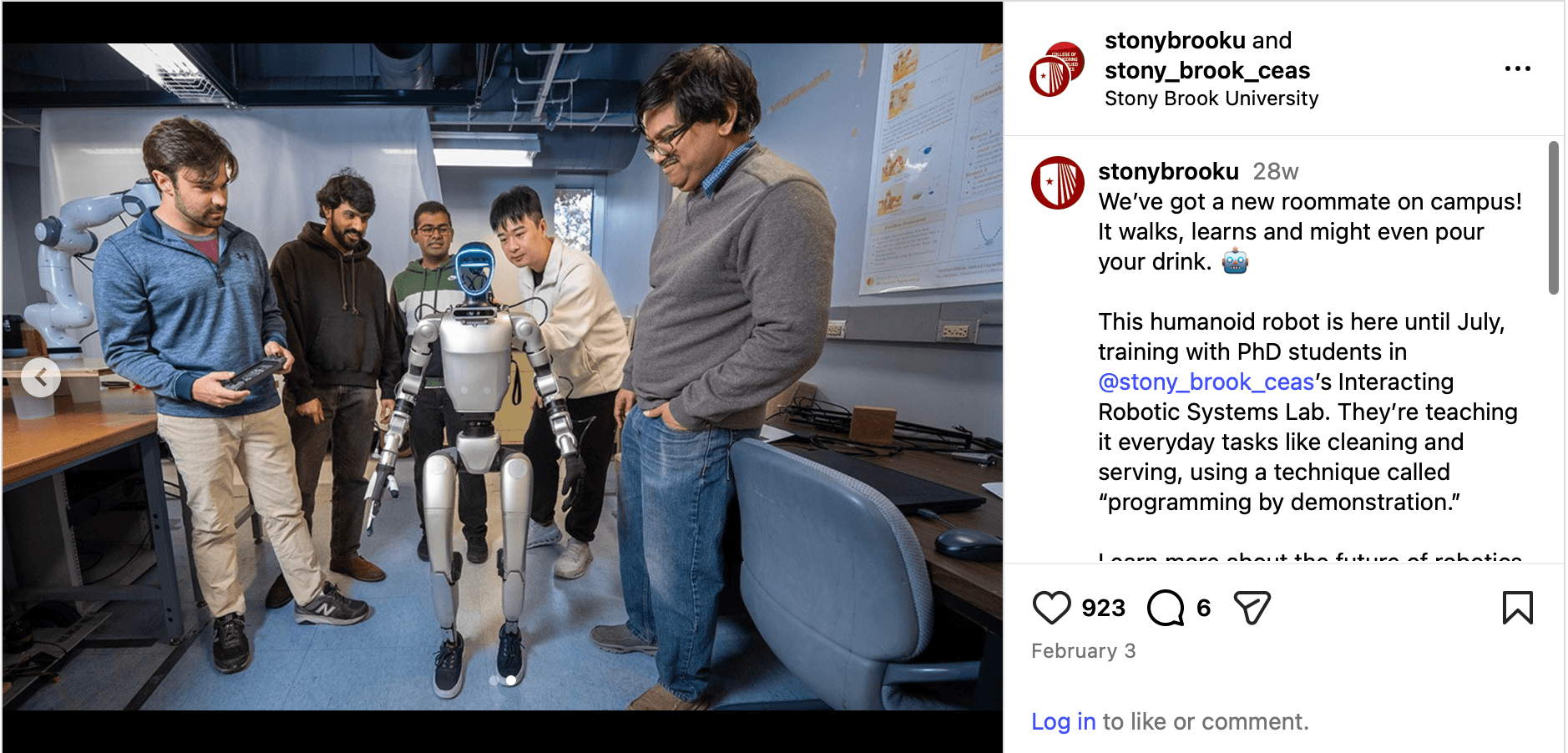
Humanoids get the attention because they look like us and fit naturally into spaces designed for people. But physical AI is a much broader category. Drones, autonomous vehicles, quadrupeds, warehouse robots, agricultural machines, inspection platforms, robotic arms, marine robots, and machines we have not invented yet can all benefit from better perception and reasoning.
Commercial adoption will probably be uneven. Some jobs will be automated quickly because the environment is structured and the economics are obvious. Others will remain difficult for years. The important question is not whether robots become generally intelligent overnight. It is whether enough individual tasks become reliable and affordable to justify deployment.
That is where marketplaces become interesting. As the number of robotics vendors grows, buyers need a better way to understand what exists, what each machine can actually do, whether it is available to buy or rent, and how it fits a specific use case.
RobotifyX sits in that layer between a rapidly growing supply of physical machines and organizations that increasingly know they want robotics but do not necessarily know which robot they need.
The software AI boom showed what happens when intelligence becomes cheap and accessible. Physical AI will move more slowly because atoms are harder than pixels. But when increasingly capable intelligence meets increasingly accessible hardware, AI stops being something you only talk to. It starts doing things.
The marketplace to buy, rent, and hire robots.
Discover robotics systems and services across industries, capabilities, and real-world applications.
Explore RobotifyX